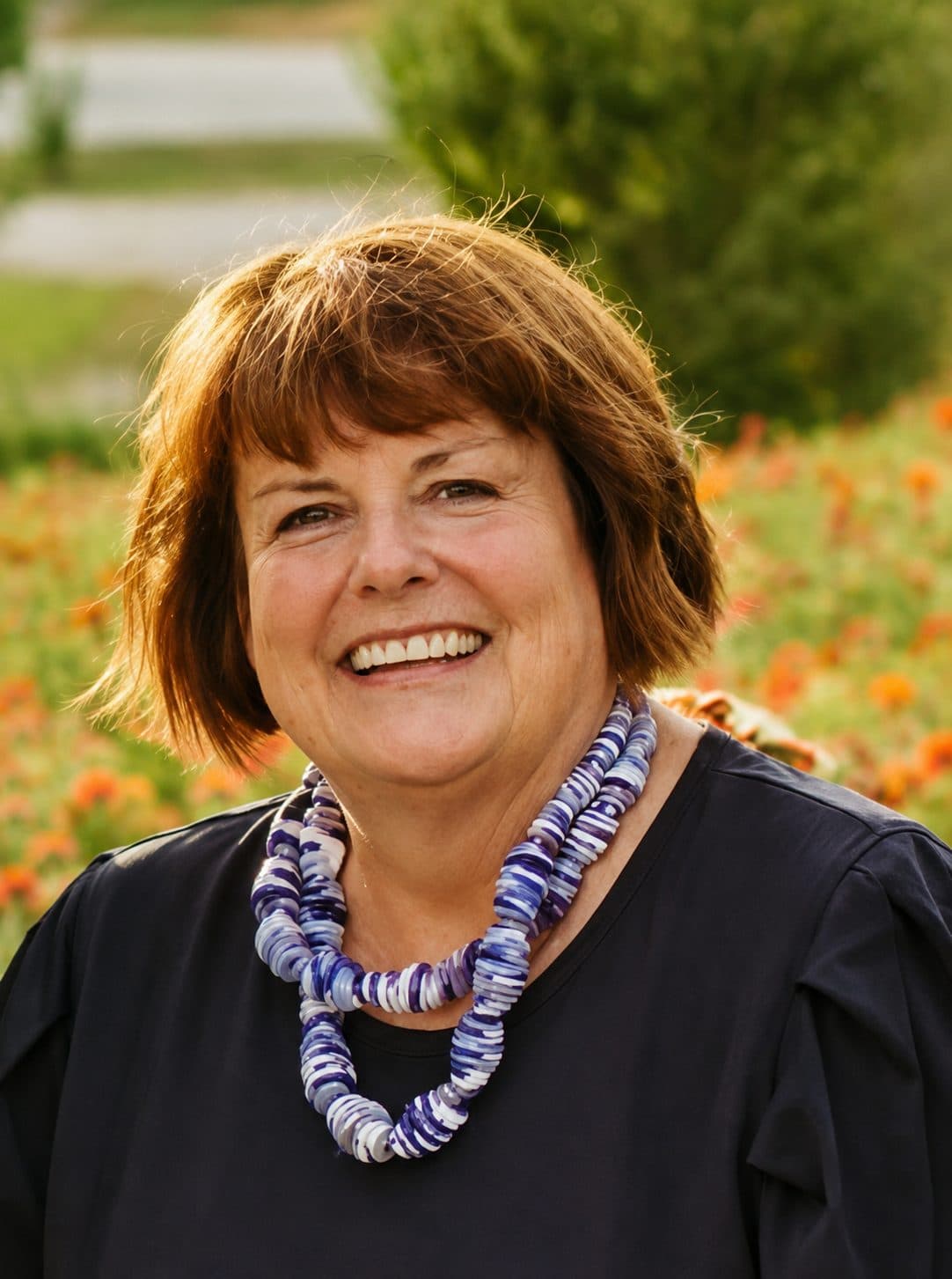
Lorri Stanislav had brought them together.
“She would probably be thinking, ‘This is so neat. They’re sitting together,’” one woman said.
“Or she would be saying, ‘Stop talking about me. You’re making too big of a fuss,’” another replied.
That, they agreed, also sounded like Lorri.
She worked behind the scenes, avoided photographs and rarely sought recognition. Yet the relationships she created, the people she encouraged and the traditions she helped sustain remain visible throughout Weston.
“I just met a powerhouse”
Victoria Campbell: Lorri would come into the Chamber office and say, “Victoria, sit down. I just met a powerhouse.”
She said it after meeting each of you. It happened at different times, but she would come through the door so excited. She saw something in people, and she could not wait to tell someone else about it.
She was everybody’s cheerleader.
Megan Jantos: I first met Lorri shortly after I moved to Weston, when she asked me to put my home on the Weston Candlelight Homes Tour. She had a way of making a big request feel manageable. She assured me that she knew the right people to help and that everything would be taken care of.
That home is now the home of The Weston Chronicle—the same place where the four of us gathered for this conversation.
Later, I arrived early for another meeting at the coffee shop and found Lorri there. By then, I already knew she was a driving force behind the Candlelight Homes Tour, but that conversation showed me the depth of her experience and insight.
Someone had told me, “You should talk to Lorri. She’ll help you understand communication in this town.”
We talked for about an hour. She shared what she knew without holding anything back, and I left feeling empowered.
I remember thinking, “This is the one.” I awkwardly asked whether she would be my mentor. She did not think it needed to be anything formal. She simply said I could always message her.
I shared some of my ideas and plans with her, even though they were still taking shape. She listened, recognized what they might become and said, “Yep. Now run with it.”
Katy Gaines: She did not just connect people. She knew which people needed to be connected.
When I started working in real estate and became involved with the Chamber, Lorri told me I needed to meet Julie. She did not simply say, “Here is a lender.” She said, “You have to meet the best lender I know.”
Julie and I met at the coffee shop. We are still here, still working together and still friends.
That is what Lorri did. She recognized which people would fit together before they knew it themselves.
Julie Adams: Lorri became like a mother to me.
When I left corporate lending and went out on my own, I was scared. She sat with me and helped me work through a business plan. Then she introduced me to Katy.
She made you believe you could do something before you fully believed it yourself.
Making the Candlelight Homes Tour feel like home
The Weston Candlelight Homes Tour, traditionally held during the first weekend in December, became one of the clearest examples of Lorri’s ability to recruit people, organize details and create an experience larger than any one person could produce.
Julie: In 2022, one of the houses dropped out of the tour. Lorri called and asked what I thought about putting my dad’s house on it.
I thought, “There is no way.”
My dad was in Hawaii, so I called and told him it would help my business and that he would not have to do anything. Lorri had promised us a budget, and Katy agreed to help me. He finally said yes.
Katy and I spent about a week preparing the house. We created a theme around the history of Weston and my family. Lorri wrote a script to share that history with visitors.
My dad said he did not want to help, but once the tour began, he talked to visitors longer than anyone. He loved it.
After that, Lorri put us to work on the Candlelight Homes Tour every year. She would tell us which house needed us, and we would show up.
Katy: Lorri knew how to make people feel taken care of.
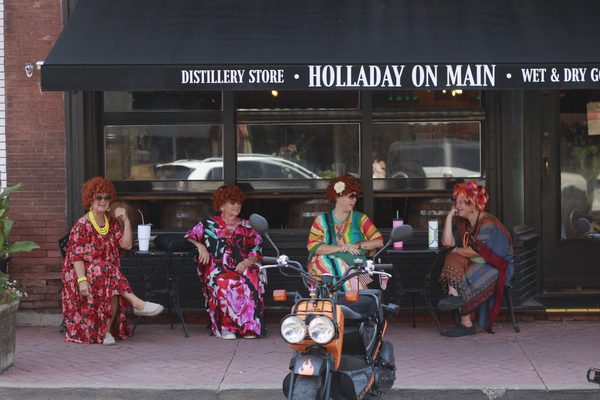
She would say, “Don’t worry. I know the perfect people.” Then Julie and I would arrive, sometimes in costume, ready to work the door or help wherever we were needed.
We met people through those houses whom we might never have met otherwise. Those connections continued beyond the tour.
Victoria: The Candlelight Homes Tour was Lorri’s baby. Even after she was no longer serving in the same Chamber role, she remained committed to it. She understood that the tour was not only about decorations or beautiful houses. It brought people into Weston and gave them a reason to experience the town.
She helped people understand that Weston’s Chamber is closely tied to tourism. Events bring people here, but merchants and volunteers also have to welcome them, share the town’s story and give them a reason to return.
Lorri understood the whole picture.
The work no one saw
The women remembered Lorri as creative, intelligent and skilled in marketing and public relations. They also remembered the quieter acts that would never appear on an event calendar or Chamber report.
Victoria: She would spend hours helping someone solve a problem.
If a merchant was struggling with a new system or did not understand the technology, Lorri would sit down and say, “Don’t panic. We’ll work it out.”
She would call customer service. She would find someone who could help. She stayed with the problem until it was solved.
That was far beyond what anyone expected of a Chamber board member, but she did it because someone needed help.
Julie: She did things like that for my dad all the time. She checked on people. She brought food. She included them.
Her family meant everything to her, but the way she loved her family extended to other people. You became part of her circle.
She also brought my dad into community activities he might never have tried on his own. She would call and say she was coming to pick him up. Somehow, he would go—and he would have a wonderful time.
Victoria: My son, James, became close to Lorri when I worked at the Chamber. She was like a grandmother to him even before she had grandchildren of her own.
There were school events I could not attend because I had to work. Lorri stepped in. She went to his cooking-class breakfasts and other activities, not once, but several times.
She did not allow a child to feel that no one had shown up for him.
Katy: That was part of her gift. She made people feel seen.
Megan: She also understood that listening did not mean agreeing with everything someone said. It meant making people feel heard, considering their concern and helping them understand what could happen next.
In a small town, you cannot always lead from the front of a room. People are scattered across different groups and perspectives. Lorri met people where they were, found the common ground and invited them to try something new.
Turning “no” into “what if?”
The women described Lorri as a natural problem-solver who could take a complaint, concern or half-formed idea and find a constructive path forward.
Victoria: Lorri could take negativity and turn it around.
Instead of getting stuck on why something would not work, she would say, “What if we did this?”
She did not dismiss people’s concerns. She found the common denominator. She created enough safety for people to consider something different.
She was a get-to-yes person.
Julie: She was able to help people come along with change.
She might say, “Let’s try it this way this year. If it does not work, we can reconsider it.”
She made change feel less threatening. She involved people instead of making them feel that something was being done to them.
Megan: That takes influence. You do not always have to be the person standing in front of everyone. Sometimes influence means understanding what motivates people, meeting them where they are and helping them take one step toward a shared vision.
Katy: Lorri was also a visionary. She could see the potential in a person, an idea or a relationship—and then connect the dots.
A family at the center
Although much of the conversation focused on Lorri’s community service, the women repeatedly returned to the center of her life: her husband, Jim; their children; their grandchildren; and the extended family she created around them.
Julie: Her family was her world.
When her children began to outgrow some of the childhood excitement around Christmas, Lorri created themed celebrations to keep the magic alive. The meals, clothing and activities would all fit the theme.
Then she invited other people into that magic.
She did not separate loving her family from loving other people. She expanded the circle.
Victoria: She was a wife, mother, grandmother, sister, friend and mentor. She was a matriarch to more people than she probably realized.
She gave so much and wanted so little recognition for it.
She had no ego.
“Carry on, Weston”
Near the end of the conversation, the women considered what Lorri might want her legacy to be.
They quickly questioned whether she would want anyone discussing a legacy at all.
Lorri, they agreed, would not want people to stop at praising her. She would expect them to keep working.
Victoria: Carry on.
That is what she would want.
Carry on, Weston.
Julie: She was a light. Her light continues through her children, her family and the people she encouraged.
The question is how we keep that light growing.
Katy: We do it by seeing people the way she saw them—and by connecting people the way she connected us.
Megan: Four women sat together at the Chronicle because Lorri had separately recognized something in each of them.
She called them powerhouses before they called themselves powerhouses. She introduced them, encouraged them and found ways to put their talents to work.
Lorri was not sitting at The Chronicle office Friday evening.
But the relationships she created were.
And because of those relationships, her work is not finished.