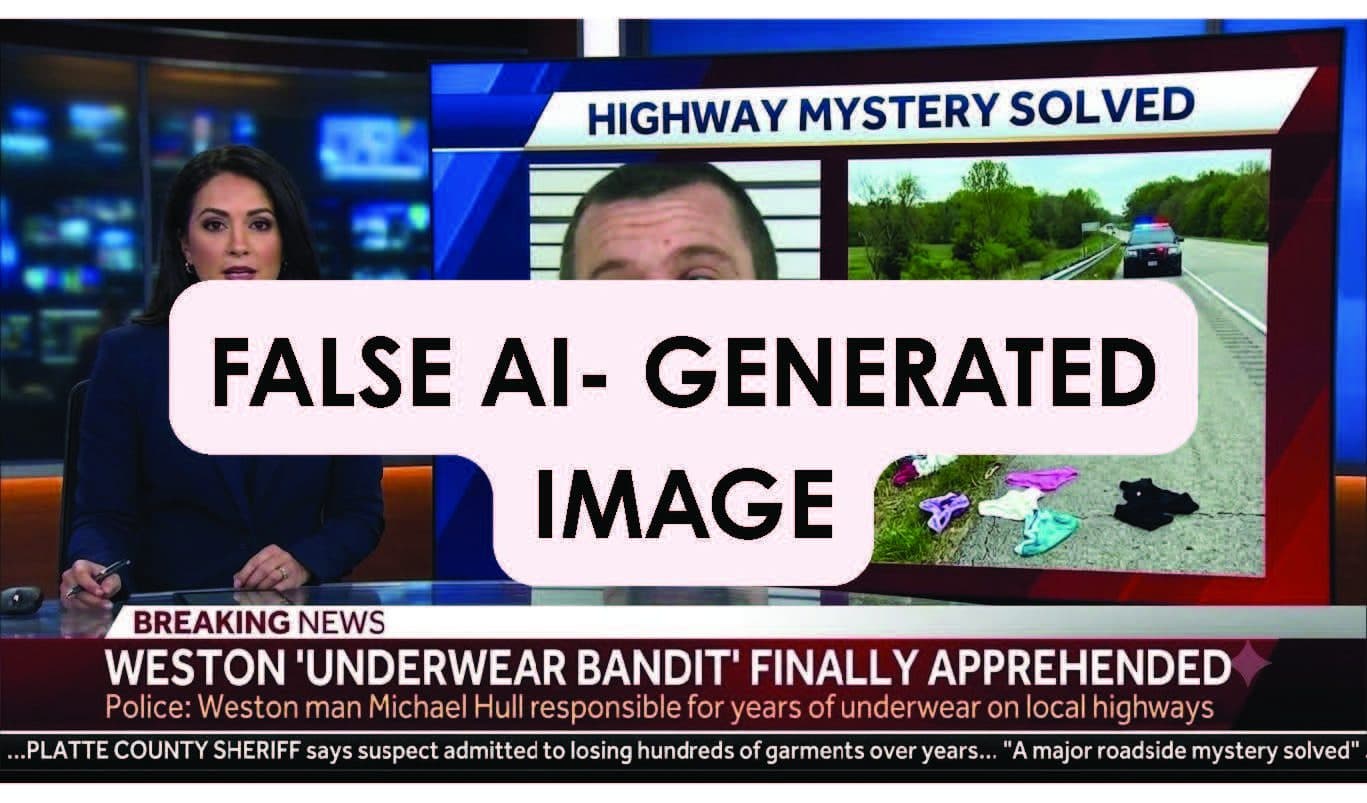
Recently, a satirical post appeared on a community information page, and at least one reader questioned whether it was true. I was just finishing this op-ed, so it felt like a timely example. Online, even humor can be mistaken for fact when it appears in a familiar space and is shared without context.
Last week, I heard someone I respect ask, “Since when do we take advice from strangers anyway?” It stuck with me because the honest answer is: We do it all the time, especially online, where people present themselves as experts, confidence is mistaken for credibility and posts are shared thousands of times before anyone stops to ask whether they are true.
Most of us have shared something online or repeated a headline, only to later realize we should have paused and taken a closer look.
We hear a lot about “fake news,” but false and misleading information is nothing new. What’s new is the rate at which it spreads. Today, information can reach huge audiences in real time. Determining what’s true, what’s false and what’s missing important context is becoming more complicated by the day.
Clickbait relies on sensational headlines. Facts can be presented in misleading ways, and bad actors intentionally create false information to scam, manipulate or cause harm. You’ve probably noticed this if you have expertise or personal experience in a topic. At the same time, artificial intelligence is making fake images, audio and video harder to spot.
It’s not a left-or-right issue. Human nature draws us to the dramatic and emotional, especially in times of uncertainty. We are also more likely to believe information that confirms what we already think. Social media algorithms feed us more of the same content, creating echo chambers and blurring the line between fact, opinion and manipulation.
We see the consequences every day. Misinformation affects our communities by fueling mistrust and disagreements with friends, neighbors and co-workers. Nationally, it creates confusion about important issues, deepens societal divisions and threatens public health and safety.
That’s why media literacy is important for all of us. It starts with a few simple habits: Check the source; ask what the post is trying to make you do, think or feel; and look for confirmation from reliable sources before passing it along.
It helps to notice your own reaction. If something instantly makes you angry or afraid, that’s a sign to slow down and look a little deeper. Misleading content often works by triggering emotion before judgment has a chance to catch up.
We do not have to become investigators every time we open our phones. But we should be more careful about the people and sources we trust and what we share. A little pause, a little skepticism and a little humility can go a long way.
I truly believe that if we all give a little more thought to what we read, watch and share, our communities will be better informed and less divided.
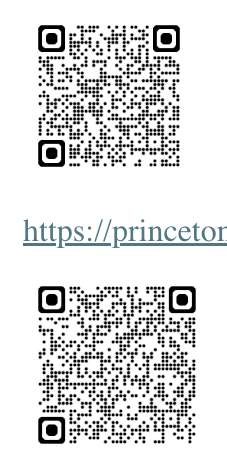
Use the QR codes below to access media literacy guides: