I knew Gloria Steinem’s name and understood, broadly, her place in the women’s movement. Until her death Sept. 2 at age 92, however, I did not fully understand how much of her influence began with journalism — or how directly the changes she championed shaped my own life.
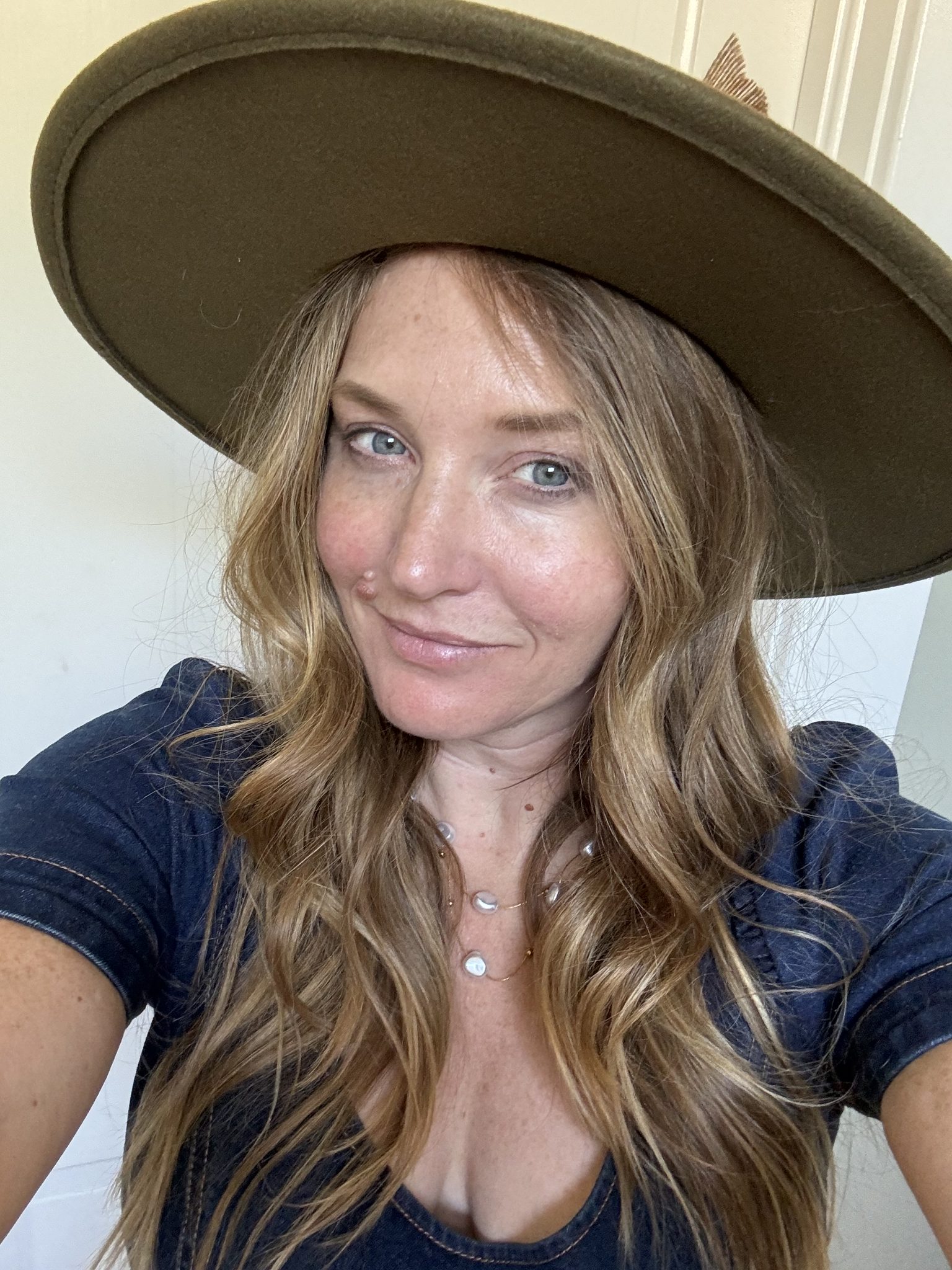
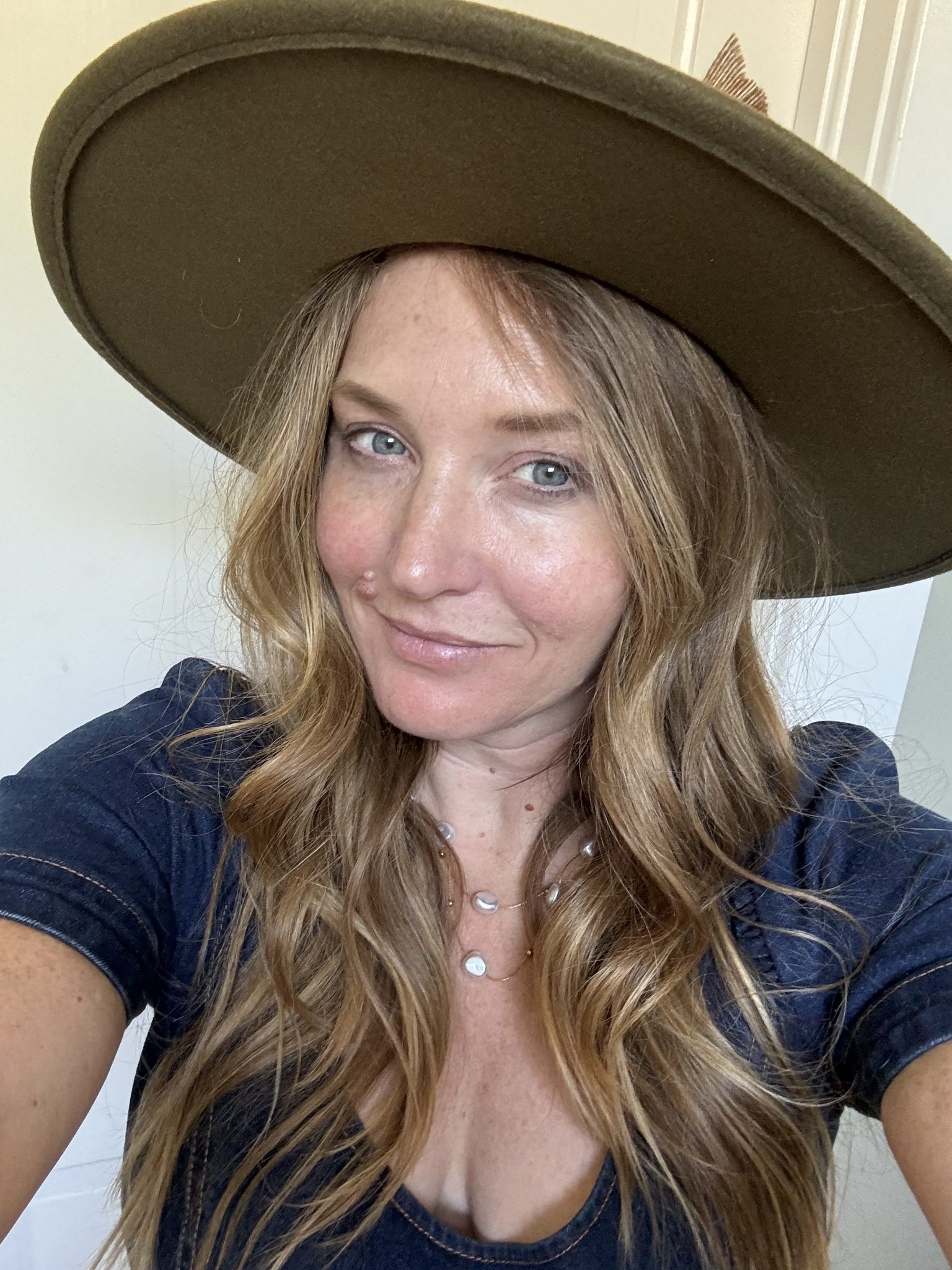
That realization led me to a conversation with Weston resident Terri Kastens, 63, who grew up outside Rushville and graduated from DeKalb High School in 1981.
Kastens remembers Steinem not as a historical figure, but as a living presence during her formative years. She saw Steinem on television and read about her in magazines while women were still openly fighting for equal treatment in schools, workplaces and financial institutions.
“I always knew who she was,” Kastens said. “She was out there fighting the fight.”
Kastens described herself as “liberated,” a word that carried a particular meaning in the 1970s. A liberated woman, she explained, believed women should be able to decide for themselves what kind of lives they wanted — even when those choices departed from society’s expectations.
For Kastens, that began with relatively small rebellions. She was a tomboy who rode a minibike and enjoyed activities more commonly associated with boys. By high school, she had begun challenging more consequential inequities.
At DeKalb High School, Kastens said, boys’ teams received the gym immediately after school. Girls had to practice during their lunch period and then return to class.
“I thought, ‘This is so unfair. Why is our time not as important?’” she said.
Kastens challenged the arrangement and succeeded in getting the school to rotate the more desirable practice times between the boys’ and girls’ teams.
Years later, she told that story to a younger woman who had played high school sports. The woman was stunned that girls once had to practice during lunch.
To Kastens, that shock was evidence of progress. An inequity that had once been accepted as routine now sounded absurd.
Kastens also knew from a young age that she wanted a career.
“I wanted to be independent,” she said. “I didn’t want to rely on anyone else to make my way in life.”
That independence was not equally available to all women only a generation earlier. Although women could legally hold bank accounts before the 1970s, financial institutions could discriminate against them when issuing credit, sometimes requiring a husband or another male co-signer. The Equal Credit Opportunity Act of 1974 prohibited creditors from discriminating based on sex or marital status.
Today, Kastens owns her home and her business independently — freedoms she does not take for granted.
No single activist secured those changes alone, and Steinem was one voice within a much broader movement. But she helped bring women’s experiences into public view and kept questions of equality before the country for more than five decades.
Her journalism was part of that work. In 1963, Steinem spent 11 days working undercover at New York’s Playboy Club. Her two-part report, “A Bunny’s Tale,” exposed the working conditions and sexual demands placed on the women employed there. She later co-founded Ms. magazine, giving the women’s movement a national journalistic platform.
In her 1978 satirical essay, “If Men Could Menstruate,” Steinem imagined how society might treat menstruation if it were associated with men and power. The essay used humor to make a serious point: Society often decides what is respectable, important or worthy based on who experiences it.
Kastens encountered the same assumptions when she entered the workforce. She said men holding comparable management positions were paid more, while women risked professional consequences if they challenged the disparity.
The prevailing justification was that a man had a family to support while a woman’s earnings were merely supplemental.
“A job should be paid for the job, period,” Kastens said. “It shouldn’t matter why someone has that position.”
Our conversation also revealed how one generation’s hard-won progress can become the next generation’s unexamined normal.
I graduated from high school in 2002 and entered adulthood assuming I would attend college, build a career, manage my own money and support myself. My parents did not present those things as radical possibilities. They presented them as expectations.
My father, a Marine from roughly Kastens’ generation, occasionally reminded me that certain behavior was not “ladylike.” Yet he also insisted that I could do anything, needed an education and should always be able to take care of myself.
He probably would not describe himself as a feminist. Neither, Kastens suspects, would her father. Still, both men raised daughters to be independent.
Later, I spent 20 years in the Army. Some military career fields, including combat arms, were closed to women when I joined. Those restrictions changed during my service. By the end of my career, I had leaders who supported my success because they recognized my ability — not because they were trying to make a statement about my gender.
I benefited from doors opened before I arrived.
That is what Kastens wants younger women to understand.
“I wish women would teach their daughters how recently they achieved these rights,” she said. “They didn’t always have them.”
Remembering that history does not require women to reject marriage, motherhood or homemaking. Kastens is clear that she respects women who choose those roles. Her objection is not to tradition, but to prescription.
Feminism, as we discussed it, is not the belief that every woman must build the same kind of life. It is the belief that every woman should be able to choose her life.
Kastens chose not to have children and has never regretted it. She considers her sisters, nieces, nephews and community her family. I pursued both a military career and motherhood. Other women find fulfillment primarily in their homes, businesses, classrooms, farms or countless other places.
The point is not that one path is more valuable than another. The point is that the path should belong to the person walking it.
Kastens views the Supreme Court’s 2022 decision overturning Roe v. Wade as a warning that progress is not permanent. Others in our community will hold deeply different views about abortion. But her larger concern reaches beyond any single issue: Rights that appear secure can be restricted, and freedoms that seem ordinary can be forgotten.
Gloria Steinem’s death became national news. Sitting with Kastens reminded me why national stories still belong in a local newspaper. Public figures and national movements do not remain somewhere far away. Their influence reaches our schools, workplaces, homes, families and small towns.
Their work becomes part of our lives — sometimes so completely that we forget there was ever a time before it.
Perhaps that is one measure of progress. The next is remembering who helped make it possible.